
 By
By
Introduction
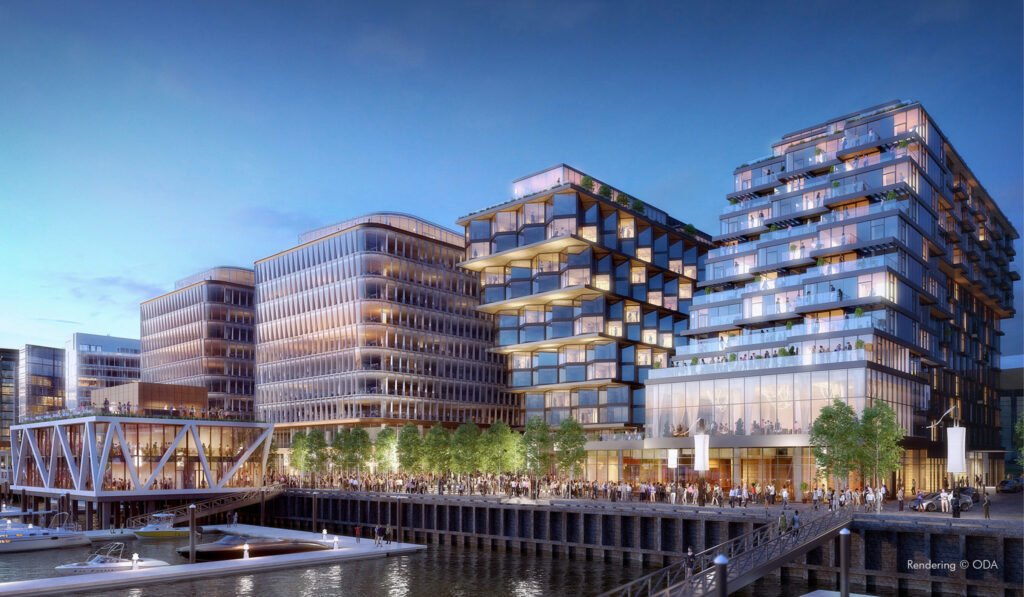
Washington, DC, is home to some of the most ambitious urban revitalisation projects in the United States. Among them, The Wharf stands out as a model of modern planning, community building, and sustainable design. Situated along the Southwest Waterfront, The Wharf is more than just a neighbourhood; it is a vibrant destination blending homes, offices, shops, restaurants, entertainment venues, and public spaces into one unified district.
Thank you for reading this post, don't forget to subscribe!This article explores The Wharf DC mixed-use development details comprehensively, covering its history, planning, design, and the impact it has had on the city.
The Vision Behind The Wharf
The Wharf was conceived as a transformative project aimed at breathing new life into DC’s once underdeveloped waterfront. For decades, the area was underutilised despite its prime location. The goal of developers, architects, and city planners was to create a thriving, sustainable community that reflects the city’s cultural diversity and economic growth.
The development was planned in two phases, stretching across nearly two miles of waterfront property. By combining modern architecture with vibrant cultural offerings, The Wharf has redefined the identity of Southwest DC.
Master Plan and Urban Design
The master plan of The Wharf places emphasis on connectivity, public access, and mixed-use synergy. The design integrates residential, commercial, and recreational components into a seamless urban environment.
Key Features of the Master Plan:
- Pedestrian-Friendly Layout: Prioritising walkability with wide promenades and green spaces.
- Waterfront Integration: Buildings are designed to embrace the Potomac River, with marinas, docks, and piers accessible to the public.
- Sustainability: Incorporating eco-friendly building materials, energy-efficient systems, and stormwater management.
- Public Spaces: Open parks, plazas, and event areas encourage community gatherings.
Residential Offerings
One of the highlights of The Wharf is its residential component. Modern apartments and condominiums offer stunning views of the Potomac and access to a lively urban environment.
- Luxury Apartments: Equipped with modern amenities such as rooftop terraces, fitness centres, and resident lounges.
- Condominiums: High-end options for buyers seeking permanent homes in a prime location.
- Affordable Housing: A portion of the residences are designated as affordable units to promote inclusivity.
This blend ensures diversity, making The Wharf a place for both professionals and families.
Office and Commercial Spaces
The Wharf is not only residential but also a hub for business and commerce.
Office Spaces
The development includes Class A office buildings designed to attract corporate tenants, NGOs, and creative industries. Flexible layouts, modern infrastructure, and waterfront views make these offices highly desirable.
Retail and Dining
Over 70 retail and dining options populate The Wharf, ranging from boutique shops to fine dining establishments. From international cuisines to locally inspired dishes, the dining scene reflects DC’s cultural richness.
Cultural and Entertainment Attractions
The Wharf is designed to be a cultural hotspot, featuring world-class entertainment venues and community-based arts spaces.
- The Anthem: A premier concert hall hosting international artists and events.
- District Pier: A lively outdoor space used for festivals, markets, and community celebrations.
- Arts Spaces: Galleries and performance centres support local artists.
These venues ensure that The Wharf remains an engaging destination for both residents and visitors.
Hospitality and Tourism
Tourism is a vital part of The Wharf’s success. Hotels along the waterfront offer visitors an immersive experience in the heart of DC.
- Luxury Hotels: With waterfront suites, rooftop bars, and conference facilities.
- Boutique Options: Unique accommodations designed for travellers seeking a personalised stay.
- Tourist Attractions: Easy access to nearby landmarks such as the National Mall and museums.
The Wharf bridges the gap between residential living and tourism, making it a well-rounded development.
Transportation and Accessibility
Accessibility was central to The Wharf’s planning.
- Public Transit: Metro stations nearby connect residents and visitors to the rest of the city.
- Shuttle Services: Local shuttles link The Wharf to major attractions and transit hubs.
- Water Taxi: A scenic transportation option connecting the waterfront with Georgetown, Alexandria, and National Harbor.
- Cycling and Walking: Bike lanes and pedestrian paths promote sustainable travel.
This multi-modal system ensures convenience for all.
Sustainability and Environmental Initiatives
Sustainability is woven into The Wharf’s DNA. The development incorporates:
- LEED-Certified Buildings to reduce carbon footprints.
- Green Roofs and Solar Panels to promote renewable energy.
- Stormwater Management Systems to protect the Potomac River.
- Energy Efficiency through advanced HVAC and lighting systems.
These measures align with DC’s broader environmental goals.
Main Points of the Development
At the centre of this article, let’s summarise the main highlights of The Wharf DC mixed-use development details:
- Residential Diversity: Luxury apartments, condominiums, and affordable housing options.
- Commercial Growth: Office spaces and more than 70 retail/dining venues.
- Cultural Impact: Venues like The Anthem and District Pier anchor entertainment.
- Sustainability: Eco-friendly initiatives make The Wharf a green development.
- Accessibility: Public transport, water taxis, and pedestrian-friendly design.
These features collectively shape The Wharf into a model mixed-use district.
Community Impact
The Wharf is not just about architecture; it’s about community. The inclusion of affordable housing ensures economic diversity, while public spaces provide areas for recreation and interaction. Events and festivals foster unity, making The Wharf an inclusive hub.
Economic Contribution
The development has had a significant economic impact on Washington, DC:
- Job Creation: Thousands of jobs during construction and ongoing operations.
- Tourism Boost: Increased hotel stays and visitor spending.
- Business Growth: New opportunities for local entrepreneurs and retailers.
This strengthens DC’s economy while enhancing its global reputation.
Challenges and Criticisms
No development of this scale is without challenges:
- Affordability Concerns: While affordable units exist, critics argue more are needed.
- Traffic Congestion: Increased popularity has led to occasional transportation bottlenecks.
- Commercial Balance: Some locals worry about small businesses competing with large chains.
Addressing these concerns will be crucial for long-term success.
The Wharf Phase 2 and Future Outlook
The project continues to expand through Phase 2, adding more residences, office spaces, and cultural amenities. The vision is to create a fully integrated waterfront city within a city. Future outlook includes:
- Expanded Retail: More local and international brands.
- Enhanced Cultural Venues: Greater support for community-based arts.
- Stronger Green Initiatives: Aiming for carbon neutrality.
These additions will ensure The Wharf remains dynamic and relevant.
Conclusion
The Wharf has become a landmark of modern urban design in Washington, DC. By blending residential, commercial, cultural, and recreational elements, it offers a blueprint for future mixed-use developments worldwide. Its commitment to sustainability, inclusivity, and innovation makes it a valuable asset to the city.
Understanding The Wharf DC mixed-use development details provides insight into how thoughtful planning can transform neglected areas into thriving, sustainable communities. As the project continues to grow, The Wharf will remain a symbol of progress, connectivity, and community spirit.