
 By
By
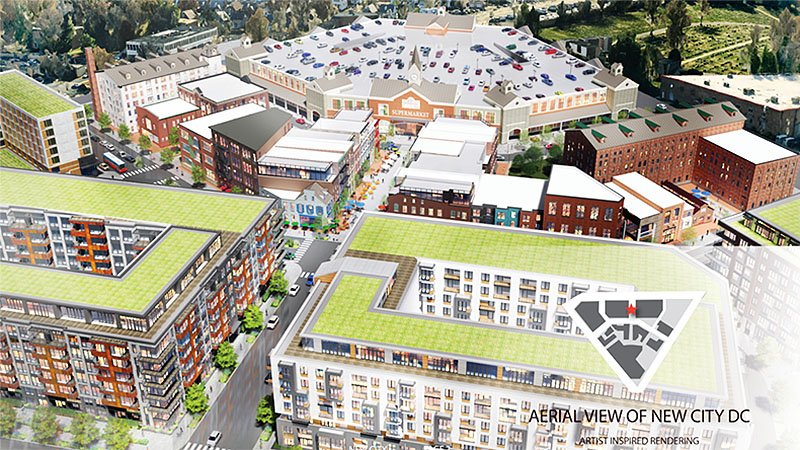
Washington, D.C. has long been a city that blends history with modern growth. Over the past decade, major redevelopment projects have reshaped neighbourhoods and added vibrancy to communities across the District. Among the most ambitious initiatives is the Reservoir District DC development plans, a large-scale transformation that promises to bring housing, commercial opportunities, public green spaces, and new infrastructure to one of the city’s most historically significant areas.
Thank you for reading this post, don't forget to subscribe!This project is not just about construction—it’s about revitalisation, community engagement, and setting a new standard for urban development in the nation’s capital. With sustainability, affordability, and inclusivity at its core, the development aims to create a neighbourhood that reflects the needs of both current and future generations.
What is the Reservoir District?
The Reservoir District is located in the northwest quadrant of Washington, D.C., an area known for its mix of historic sites, government facilities, and established residential communities. Historically, the land has been home to federal properties and water infrastructure, with limited accessibility for broader community use.
The new Reservoir District DC development plans seek to unlock the potential of this space by converting underutilised land into a thriving, mixed-use neighbourhood. This development will provide not only housing but also cultural and commercial amenities that will benefit both residents and visitors.
Main Objectives of the Development
The vision for the Reservoir District revolves around a few core objectives:
1. Expanding Affordable Housing
One of the biggest challenges in Washington, D.C. is the rising cost of living. Housing prices and rental rates have soared, making it increasingly difficult for middle- and lower-income families to remain in the city. The Reservoir District plans to address this by including a significant number of affordable housing units within the development.
2. Revitalising the Local Economy
The project will create opportunities for local businesses, retail outlets, and restaurants. By drawing in new residents and visitors, it will generate economic activity and jobs, providing a boost to the local economy.
3. Preserving Cultural and Historic Value
D.C. is known for its rich history, and any major development in the city must balance progress with preservation. Plans include protecting certain historic features of the area while integrating modern design.
4. Sustainability and Green Living
Sustainability is a cornerstone of the Reservoir District DC development plans. From energy-efficient buildings to eco-friendly transport links, the development is set to incorporate the latest green standards. This includes extensive green space, cycling infrastructure, and eco-conscious construction methods.
Key Features of the Reservoir District DC Development
A. Housing and Mixed-Use Buildings
The neighbourhood will consist of a mix of housing options, ranging from luxury apartments to affordable family homes. This diversity ensures inclusivity, making the area accessible to people from different economic backgrounds. The buildings will also host ground-level commercial spaces, helping create an active streetscape.
B. Green and Open Spaces
Parks, playgrounds, and community gardens will be integrated into the project. This focus on green spaces aims to promote outdoor activity, enhance community well-being, and reduce the environmental impact of urban density.
C. Cultural and Community Centres
Plans include establishing community centres, art installations, and cultural hubs. These additions will encourage social connections and preserve the spirit of D.C.’s local identity.
D. Improved Transportation Links
To reduce congestion and support sustainable mobility, the development will integrate public transport access, bicycle paths, and pedestrian-friendly streets. Improved connectivity will also help residents and visitors travel easily between the Reservoir District and other parts of the city.
Why the Reservoir District Development Matters for Washington, D.C.
Addressing the Housing Crisis
Washington, D.C. is facing one of the most pressing housing shortages in the United States. The inclusion of affordable units within the Reservoir District will directly support the city’s goal of creating housing opportunities for diverse income groups.
Boosting Local Employment
From construction jobs to long-term employment in retail and services, the project is expected to create thousands of opportunities. This will not only improve the local economy but also uplift surrounding neighbourhoods.
A Model of Sustainability
The Reservoir District DC development plans aim to set an example of environmentally responsible urban planning. With increasing concerns about climate change, this project could serve as a blueprint for similar developments nationwide.
Strengthening Communities
By prioritising inclusive design, accessible housing, and shared spaces, the project strengthens community ties. It is being developed not just as a residential district but as a vibrant, interconnected community.
Main Points of the Project (At a Glance)
- Affordable Housing: Hundreds of units set aside for middle- and lower-income families.
- Green Spaces: Parks, community gardens, and sustainable landscaping.
- Economic Growth: Boost in retail, local business opportunities, and jobs.
- Cultural Preservation: Protection of historic features while embracing modern design.
- Transportation: Improved public transit, walkways, and cycling paths.
- Sustainability: Energy-efficient infrastructure and eco-friendly materials.
Community Involvement and Feedback
An essential element of the Reservoir District project is community input. Residents of nearby neighbourhoods have been invited to participate in public consultations to share their views, concerns, and suggestions. Many community members have expressed optimism, especially about the inclusion of affordable housing, though some concerns remain regarding traffic and long-term maintenance.
The development team has committed to ongoing dialogue, ensuring that the final outcome reflects the aspirations of local residents as well as citywide needs.
Potential Challenges
No major urban development comes without challenges. Some of the issues under consideration include:
- Traffic Congestion: Increased residents and visitors may strain existing transport networks.
- Balancing Growth with Preservation: Ensuring modern development does not overshadow historic features.
- Maintaining Affordability: Preventing gentrification and ensuring affordable units remain accessible in the long term.
- Environmental Impact: Despite sustainability goals, large-scale construction always carries environmental risks that must be carefully managed.
Future Outlook
The Reservoir District DC development plans are ambitious and forward-thinking. If executed successfully, the project will not only transform a significant area of the city but also become a benchmark for urban development across the United States.
With its mix of affordable housing, economic opportunities, sustainable practices, and community engagement, the Reservoir District has the potential to become a thriving example of 21st-century urban planning.
Conclusion
The transformation of the Reservoir District marks a turning point in Washington, D.C.’s growth. By addressing housing shortages, revitalising the economy, preserving cultural heritage, and prioritising sustainability, this development is more than a construction project—it is a vision for the city’s future.
Urban growth always comes with challenges, but with the right planning and community collaboration, the Reservoir District can emerge as one of the most dynamic and inclusive neighbourhoods in the nation’s capital.
For residents, investors, policymakers, and visitors alike, the coming years will reveal how the Reservoir District DC development plans shape not only the skyline but also the heart of Washington, D.C.