
 By
By
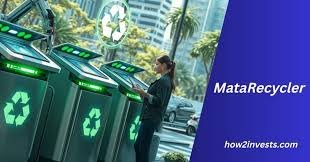
In today’s world, effective waste management and recycling are more critical than ever. As communities and individuals seek sustainable ways to handle trash, reduce environmental pollution, and conserve resources, platforms like MataRecycler are gaining attention. This advanced system stands out by integrating modern technology with everyday user involvement to address the shortcomings of conventional recycling methods. It offers a practical, tech-driven approach to making recycling more efficient and impactful.
Thank you for reading this post, don't forget to subscribe!Why Traditional Recycling Systems Fall Short
Despite years of recycling initiatives, many standard programs continue to face significant hurdles. Even in areas with accessible bins, a substantial portion of potentially recyclable materials ends up in landfills. Key challenges include widespread confusion about sortable items, frequent mixing of non-recyclables into bins, and high levels of contamination that render entire batches unusable.
Contaminated loads often get rejected, leading to wasted efforts, increased costs for sorting, and unnecessary strain on resources. Environmentally, this inefficiency contributes to overflowing landfills that emit harmful pollutants, plastic pollution threatening wildlife and waterways, excessive resource extraction through mining and production, and elevated greenhouse gas emissions, accelerating climate change. These ongoing issues highlight the urgent need for innovative, intelligent solutions to enhance recycling effectiveness.
Key Highlights of MataRecycler
MataRecycler is emerging as a leading smart waste management platform designed to tackle these problems head-on. Here are the main points that define its approach:
- Advanced Smart Bins: Equipped with sensors, cameras, and detection tools to identify materials accurately and monitor bin status.
- AI and Data Integration: Uses artificial intelligence for precise sorting, contamination reduction, and pattern analysis to optimize processes.
- User Engagement Tools: Includes apps or dashboards for tracking personal recycling, educational tips, reminders, and incentive programs like points or rewards.
- Broad Material Support: Handles common recyclables such as plastics, metals, glass, paper, and cardboard, with potential for electronics, textiles, and organics.
- Benefits Across Users: Simplifies habits for individuals, provides cleaner operations and data for communities, and offers cost savings plus sustainability reporting for businesses.
These core features combine to divert more waste from landfills, boost participation rates, and foster long-term environmental improvements.
Understanding MataRecycler: A Modern Platform
At its core, MataRecycler serves as an intelligent system aimed at streamlining waste handling through technology and community participation. It prioritizes minimizing landfill contributions, enhancing sorting precision, lowering contamination risks, motivating higher recycling volumes, and leveraging data for ongoing enhancements.
Suitable for diverse settings, it caters to individual households, multi-unit residences, local neighborhoods, commercial offices, educational facilities, and larger public organizations. This versatility allows it to adapt to various scales and needs, making sustainable practices more accessible.
The Mechanics Behind MataRecycler
The platform merges hardware and software for seamless operation. Central to this are intelligent bins featuring built-in sensors for material detection, visual scanners for item recognition, weight measurement, and capacity monitoring. These elements help prevent errors at the source and maintain clean streams.
Data plays a pivotal role, capturing details on material types, volumes collected, usage patterns, and contamination incidents. This information feeds into digital systems for regular analysis and adjustments.
To boost involvement, users gain access to interactive interfaces like mobile apps or online portals. These provide personal recycling records, practical advice, timely alerts, and progress feedback, helping build consistent, informed behaviors.
Supported Materials and Versatility
MataRecycler accommodates a variety of common recyclables to maximize recovery:
- Plastics (e.g., bottles and containers)
- Metals (e.g., cans and foil)
- Glass (e.g., jars and bottles)
- Paper (e.g., newspapers and documents)
- Cardboard (e.g., packaging and boxes)
In certain configurations, it extends to specialized categories like electronic devices, fabrics, and food waste, further decreasing overall disposal needs and supporting comprehensive waste reduction.
Advantages for Different Stakeholders
For personal users, the system eliminates guesswork with straightforward instructions, reduces uncertainty, promotes better routines, and offers motivational elements like achievement tracking or incentives.
Communities experience reduced contamination for purer outputs, increased involvement leading to higher recovery, insightful data for informed planning, and overall lessened reliance on landfills for greater ecological health.
Organizations gain from decreased disposal expenses, reliable metrics for environmental reporting, heightened staff involvement in green initiatives, and alignment with regulatory standards.
Core Technologies Driving MataRecycler
Sensors and imaging tools in bins enable real-time material verification, usage tracking, and error flagging to refine accuracy.
Analytics processes reveal trends, pinpoint issues, refine pickup timings, monitor contamination, and chart advancements for strategic decisions.
Artificial intelligence enhances recognition capabilities, adapts to evolving patterns, minimizes mistakes, and drives continual refinements.
Incentive mechanisms, such as earning points for accurate deposits and exchanging them for benefits, transform routine tasks into engaging, rewarding experiences that sustain participation.
Real-World Applications
In residential zones, it curbs mixed-bin issues, informs occupants, and measures collective efforts.
Municipalities leverage aggregated insights for efficient operations, reduced expenses, and superior material quality.
Corporate environments utilize it for waste monitoring, team motivation, and advancing eco-goals.
Advancing Circular Economy Principles
By prioritizing recovery and reuse, MataRecycler aligns with circular models that extend material lifecycles. It diminishes landfill volumes, curbs oceanic plastics, preserves raw resources, and lowers emissions across sectors.
Potential Hurdles and Solutions
Implementation may involve upfront costs for equipment, requirements for training, ongoing tech upkeep, and privacy considerations around data. Addressing these through phased introductions, educational outreach, collaborative efforts, and regular enhancements can mitigate concerns effectively.
MataRecycler vs. Conventional Methods
Compared to manual, limited-tracking traditional setups with minimal engagement and feedback, MataRecycler delivers automated assistance, comprehensive data, heightened involvement, instant guidance, and superior precision.
Looking Ahead: Smart Recycling’s Potential
With escalating waste volumes, intelligent systems like this are poised to grow essential. Anticipated developments include refined detection, optimized routing, expanded material handling, and deeper municipal integrations, all propelled by advancing tech.
Frequently Asked Questions
Is MataRecycler widely accessible?
It depends on regional partnerships and rollouts, with ongoing expansion.
Does it fully replace existing facilities?
No, it enhances and integrates with the current infrastructure.
How user-friendly is the platform?
Designed for simplicity, with intuitive interfaces and supportive features.
Final Thoughts
MataRecycler exemplifies a forward-thinking strategy in waste management, emphasizing precision, reduction, and active involvement. Through intelligent hardware, analytical insights, motivational tools, and responsive interactions, it resolves persistent flaws in older systems while aiding households, localities, and enterprises in fostering greener practices. Though imperfections remain, its innovative blend of tech and participation points toward viable, scalable paths for enduring sustainability amid rising global demands.