
 By
By
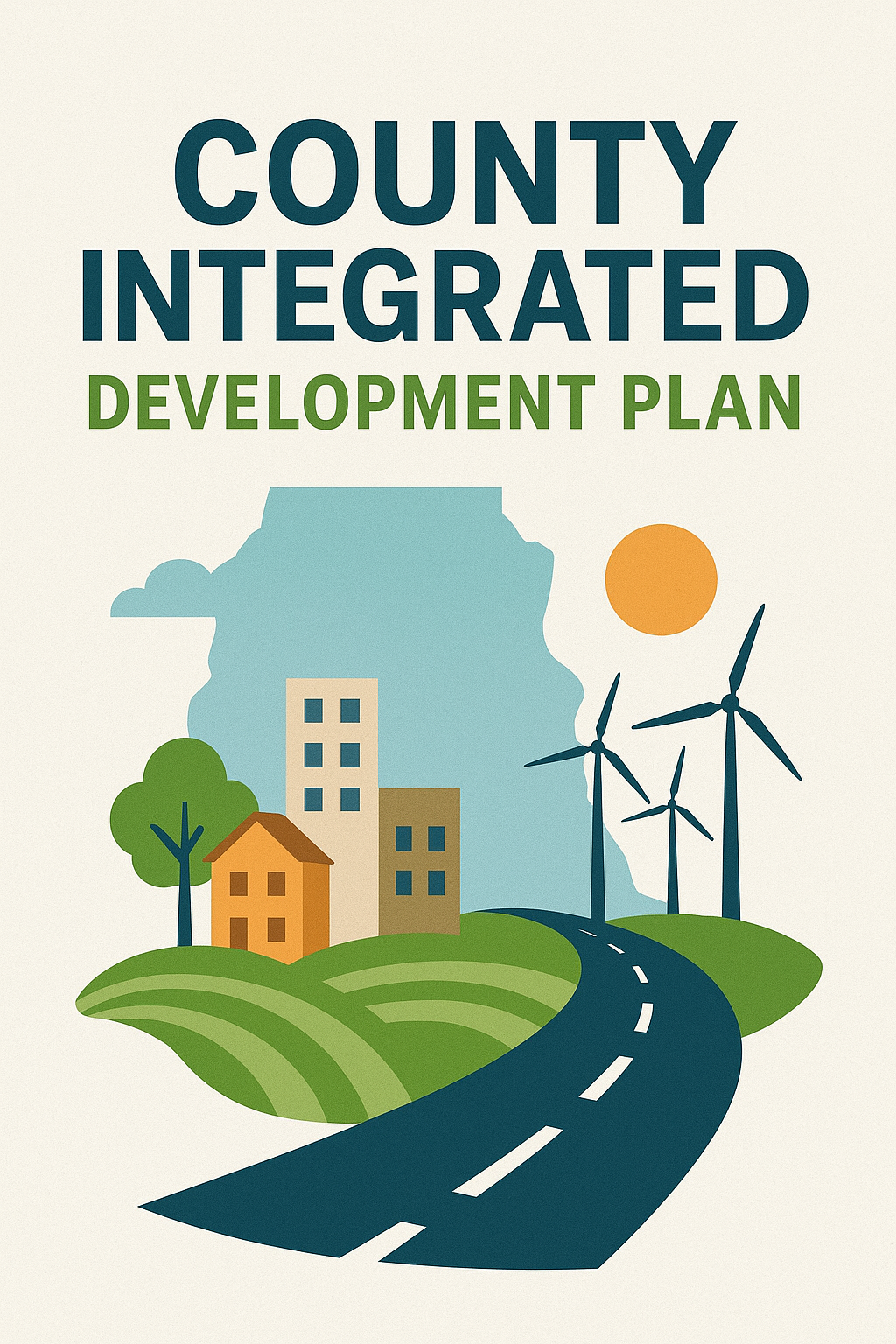
Introduction
Development planning is one of the cornerstones of effective governance. For counties to thrive, they must adopt structured approaches that balance economic growth, infrastructure development, environmental conservation, and social wellbeing. The county integrated development plan (CIDP) has emerged as a critical tool for achieving these objectives.
Thank you for reading this post, don't forget to subscribe!By setting out a clear vision for a county’s priorities over a specific period, this plan aligns resources, policies, and programmes towards sustainable outcomes. It ensures that development is not carried out in isolation but instead reflects the voices and needs of the community. In this article, we explore what a county integrated development plan is, why it matters, and how it influences the future of local governance.
What is a County Integrated Development Plan?
A county integrated development plan is a strategic framework designed to guide social, economic, and infrastructural development within a county. It typically spans five years, with periodic reviews to align with changing priorities.
The plan incorporates:
- Vision and mission of the county government.
- Socio-economic analysis of the region.
- Sectoral priorities, such as healthcare, education, transport, and agriculture.
- Financial projections and resource allocation.
- Implementation strategies to ensure accountability.
By integrating these components, the CIDP provides a roadmap for both government officials and residents to understand where the county is heading and how development goals will be achieved.
Objectives of the County Integrated Development Plan
The primary goals of the CIDP can be summarised as follows:
- Enhancing Service Delivery – Ensuring that citizens have access to essential services such as healthcare, education, and clean water.
- Promoting Economic Growth – Creating employment opportunities, supporting local businesses, and investing in infrastructure.
- Fostering Social Inclusion – Addressing inequalities and ensuring that vulnerable groups are not left behind.
- Sustainable Resource Management – Balancing development with environmental conservation.
- Accountability and Transparency – Providing a clear framework for monitoring and evaluating progress.
The Role of Community Participation
A defining feature of the county integrated development plan is the involvement of citizens. Unlike top-down planning models, the CIDP encourages community participation through public forums, surveys, and consultations.
This inclusive approach ensures that local voices are heard, making the plan more relevant and effective. Residents get to highlight their most pressing concerns, whether it’s the need for better roads, improved sanitation, or youth empowerment programmes.
By engaging citizens, counties also promote ownership of the development process, which increases accountability and strengthens trust between the government and its people.
Key Components of a County Integrated Development Plan
Socio-Economic Profiling
The plan begins by analysing the county’s population demographics, economic activities, and available resources. This information forms the foundation for identifying development priorities.
Sectoral Strategies
The CIDP outlines strategies for different sectors, such as:
- Agriculture – Enhancing food security and supporting farmers.
- Health – Expanding access to hospitals, clinics, and preventive care.
- Education – Investing in schools, vocational training, and literacy programmes.
- Infrastructure – Building roads, bridges, and energy networks.
- Tourism – Leveraging cultural and natural attractions.
Financial Planning
The plan provides detailed financial projections, highlighting both internal revenues and external funding sources. This ensures that development priorities are realistic and achievable.
Monitoring and Evaluation
The CIDP includes mechanisms for tracking progress, with measurable indicators to assess success. This section ensures accountability and allows for adjustments when necessary.
The Importance of a County Integrated Development Plan
Alignment with National Policies
The CIDP aligns county priorities with national development goals, ensuring that local projects contribute to broader strategies. This avoids duplication of efforts and promotes synergy between different levels of government.
Guiding Resource Allocation
By identifying priorities, the plan helps allocate resources efficiently. Funds can be directed towards projects that deliver the most impact, reducing wasteful spending.
Encouraging Investment
Clear development strategies attract investors. Businesses are more likely to commit resources when they understand a county’s priorities and potential for growth.
Promoting Accountability
The plan serves as a reference point for citizens to evaluate the performance of their leaders. It fosters transparency by providing a public document that outlines both goals and responsibilities.
Recent Developments and News
In the middle of this article, it is essential to highlight some of the main points that have dominated county integrated development plan discussions in recent years:
- Infrastructure Expansion – Counties have been focusing on improving roads, electricity access, and digital connectivity to support trade and services.
- Healthcare Improvements – Many CIDPs now include strategies for building new hospitals and expanding medical staff training.
- Youth Empowerment – Plans increasingly prioritise skills development and job creation for young people, recognising their role in shaping the future.
- Climate Adaptation – With rising environmental concerns, counties are integrating renewable energy projects and conservation initiatives.
- Public Engagement – Recent CIDPs have expanded opportunities for citizen involvement through digital platforms and community-based organisations.
These highlights demonstrate how the CIDP remains a living document, constantly evolving to meet emerging challenges.
Challenges Facing County Integrated Development Plans
Despite their importance, CIDPs face several challenges:
- Resource Limitations – Counties may lack sufficient funds to implement all proposed projects.
- Capacity Gaps – Shortages of skilled staff can delay or weaken implementation.
- Political Influence – Sometimes, political agendas override community needs, undermining the plan’s effectiveness.
- Monitoring Difficulties – Tracking progress can be challenging without reliable data systems.
- Public Awareness – Not all residents are familiar with the CIDP, reducing their ability to hold leaders accountable.
Addressing these challenges is critical for maximising the impact of development plans.
Success Stories
Several counties have reported notable achievements under their CIDPs, including:
- Improved healthcare delivery through the construction of modern health centres.
- Increased agricultural productivity via irrigation schemes and farmer training programmes.
- Expanded road networks that have boosted trade and mobility.
- Enhanced education access with the building of new schools and bursary schemes for students.
These successes show how effective planning can transform communities.
The Future of County Integrated Development Planning
Looking ahead, CIDPs are expected to evolve in several ways:
- Digital Transformation – Integrating technology for data collection, monitoring, and citizen engagement.
- Green Development – Prioritising renewable energy, waste management, and eco-friendly urban planning.
- Inclusive Growth – Expanding focus on marginalised groups, including women, youth, and people with disabilities.
- Regional Collaboration – Encouraging counties to work together on shared infrastructure and economic projects.
Such innovations will strengthen the role of the county integrated development plan in shaping sustainable and inclusive development.
Conclusion
The county integrated development plan is more than just a policy document; it is the blueprint for progress at the local level. By combining community input, strategic priorities, and financial planning, it provides counties with the tools to deliver sustainable development.
As recent experiences show, when properly implemented, CIDPs can drive economic growth, improve service delivery, and empower communities. With continued commitment to transparency, inclusivity, and innovation, these plans will remain a cornerstone of county governance for years to come.