
 By
By
Introduction
Emergencies can happen at any time, and being prepared is key to staying safe. In a bustling city like Washington DC, residents, commuters, and visitors need quick access to reliable resources. Whether you’re facing a health crisis, a fire outbreak, or a public safety threat, knowing the Washington DC emergency contact numbers can make all the difference.
Thank you for reading this post, don't forget to subscribe!Unlike regular services, emergency contact numbers are specifically designed to respond rapidly, ensuring that help arrives when it’s needed most. This article provides a detailed overview of the critical emergency contacts in Washington DC, including police, fire, medical, mental health, and local community services.
Why Emergency Contact Numbers Are Vital
Emergency contact numbers save lives by offering:
- Instant connection to first responders such as police and firefighters.
- Rapid medical assistance during health crises.
- Support for vulnerable populations including children, elderly, and those with mental health challenges.
- Guidance during disasters like storms, floods, or accidents.
In Washington DC, these services are structured to ensure that no matter the emergency, there is a dedicated number to call.
Key Washington DC Emergency Contact Numbers
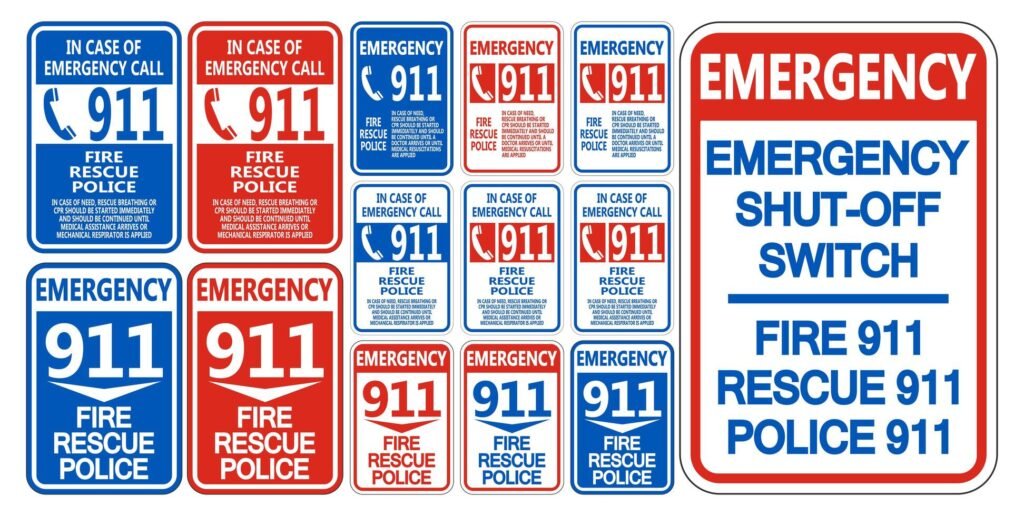
1. General Emergencies – 911
The most important number in Washington DC is 911, which connects callers directly to police, fire, or ambulance services. This number should be used for urgent, life-threatening emergencies.
When calling 911:
- Stay calm and speak clearly.
- Provide your location, name, and type of emergency.
- Follow instructions from the operator.
2. Non-Emergency Police Assistance – 311
For situations that require police involvement but are not emergencies, such as reporting vandalism, suspicious activity, or noise complaints, residents can call 311. This service connects callers to the Metropolitan Police Department’s non-emergency line.
3. Fire and Rescue Services
In the event of a fire or hazardous incident, dial 911 immediately. The DC Fire and Emergency Medical Services Department (FEMS) is trained to handle fires, rescue operations, and hazardous material incidents.
For fire safety tips and inspections, FEMS also provides non-emergency support through their office numbers, available on their official website.
4. Medical Emergencies
For urgent medical assistance, dial 911 to request an ambulance. Washington DC is served by several world-class hospitals including:
- George Washington University Hospital
- Howard University Hospital
- MedStar Washington Hospital Centre
In non-critical cases, residents may also use urgent care centres across the city.
5. Poison Control Centre – 1-800-222-1222
For exposure to harmful substances, accidental poisoning, or overdose situations, the National Capital Poison Centre operates a 24/7 helpline at 1-800-222-1222. Trained professionals provide immediate advice and connect callers to emergency services if necessary.
6. Mental Health Crisis Line – 988
Mental health support is an essential part of emergency response. The 988 Suicide and Crisis Lifeline is available in Washington DC for individuals experiencing suicidal thoughts, anxiety attacks, or other crises. Calls are answered by trained counsellors who provide guidance and resources.
7. Child and Family Services
The Child and Family Services Agency (CFSA) provides an emergency line for reporting child abuse or neglect: 202-671-SAFE (7233). This ensures that children in danger receive prompt protection and support.
8. Domestic Violence Hotline – 1-844-443-5732
For victims of domestic violence, the DC Victim Hotline at 1-844-443-5732 offers confidential support and connects callers with shelters, legal aid, and safety resources.
9. Utility Emergencies
Emergencies sometimes involve infrastructure rather than personal safety. Key contacts include:
- DC Water Emergency Line – 202-612-3400
- PEPCO Power Outage Reporting – 877-737-2662
- Washington Gas Emergency Line – 703-750-1400
These services address water leaks, power failures, and gas leaks.
Main Points of the News: Strengthening DC’s Emergency Contact System
Washington DC continues to improve its emergency response system to serve the growing population. Some of the main points include:
- Introduction of 988 as a quick mental health crisis number.
- Expansion of non-emergency reporting services via 311.
- Upgraded fire and rescue resources across the city.
- Stronger partnerships with local hospitals and health centres to ensure faster ambulance response.
These updates highlight DC’s commitment to keeping residents and visitors safe in all types of emergencies.
Community and Local Support Services
Alongside government-run services, local organisations provide additional assistance:
- Bread for the City – offers emergency food, medical care, and legal support.
- Martha’s Table – supports families with food and childcare in urgent situations.
- DC Office on Aging – provides emergency support for senior residents through hotline 202-724-5626.
These resources strengthen community resilience during crises.
How to Prepare for Emergencies in Washington DC
Knowing the emergency numbers is only part of preparation. Residents should also:
- Save Washington DC emergency contact numbers in their phone.
- Keep a written list in case of battery loss.
- Build an emergency kit with essentials like water, food, first-aid supplies, and flashlights.
- Create a family emergency plan including meeting points and contact persons.
Challenges of Emergency Services in Washington DC
While DC’s emergency system is robust, challenges remain:
- High call volumes during peak crises like storms.
- Misuse of 911 for non-emergencies, causing delays.
- Need for increased awareness of non-emergency numbers like 311 and 988.
Addressing these issues requires ongoing public education and resource investment.
Tips for Using Emergency Contact Numbers Wisely
- Use 911 only for life-threatening situations.
- Call 311 for general complaints or inquiries.
- Keep calm when speaking with operators.
- Provide precise location details.
- Follow operator instructions until help arrives.
Conclusion
Washington DC’s network of emergency services is designed to protect residents, commuters, and visitors in times of crisis. From 911 for urgent emergencies to 988 for mental health support, these numbers connect individuals with the right resources at the right time.
By saving and sharing these contacts, residents contribute to a safer, more resilient city. Knowing which number to call can mean the difference between confusion and quick, life-saving action.
Whether you are a long-time resident or a visitor, always keep a copy of the Washington DC emergency contact numbers close at hand—it is one of the simplest yet most powerful steps towards safety.